
The Architecture Engineering and Construction industry is undergoing a transformation unlike any in its history. For decades, construction projects relied on drawings, specifications, spreadsheets, and fragmented communication between architects, engineers, contractors, and owners. While these methods built the modern world, they also created inefficiencies, misunderstandings, and costly errors.
Today, the industry is shifting toward a digital-first approach where data, collaboration, and visualization drive every decision. At the center of this transformation is Building Information Modeling, commonly known as BIM. BIM is no longer just a tool or software. It has become the language through which modern construction projects are planned, communicated, and delivered.
In the digital AEC era, BIM is reshaping how teams think, collaborate, and build. Understanding why building information modeling is considered the new language of construction requires exploring how it changes communication, decision making, project delivery, and long term asset management.
The Evolution of Communication in Construction
Construction has always depended on communication. Traditionally, communication was driven by two dimensional drawings, technical reports, and manual coordination meetings. Each discipline worked in isolation and exchanged information through documents that often became outdated or misunderstood.
This fragmented approach led to frequent clashes between design intent and actual construction, delays caused by rework, and disputes between stakeholders. In an industry where a single error can cost millions, traditional communication methods are no longer sufficient.
BIM changes this dynamic by creating a shared digital model that represents the physical and functional characteristics of a project. Instead of exchanging static drawings, teams interact with a living digital model that evolves throughout the project lifecycle. This model becomes a common language that all stakeholders can understand and trust.
BIM as a Unified Digital Language
A language is something that allows people to share ideas clearly. In construction, BIM acts as a digital language that connects architects, engineers, contractors, owners, and facility managers. It translates complex technical data into visual and data-rich models that everyone can interpret.
Architects use BIM to express design intent in three dimensions. Engineers embed structural, mechanical, electrical, and plumbing data directly into the model. Contractors use the model for construction planning, quantity takeoffs, and scheduling. Owners use BIM for asset management and operations.
This unified language eliminates ambiguity. Instead of interpreting drawings differently, every stakeholder refers to the same model. This shared understanding reduces errors, accelerates approvals, and builds confidence among clients and project teams.
Data Driven Decision Making in AEC
The digital AEC era is defined by data. Decisions are no longer based solely on experience or intuition. They are driven by accurate, real time information. BIM is the backbone of this data driven approach.
Each BIM model contains information about geometry, materials, costs, schedules, performance metrics, and maintenance data. This information can be analyzed to predict outcomes, optimize designs, and reduce risks before construction begins.
For example, project teams can simulate energy performance, evaluate structural behavior, and assess construction sequencing using BIM. These insights help stakeholders make informed decisions early in the project when changes are less expensive.
By acting as a repository of project intelligence, BIM becomes the language through which data speaks to decision makers.
Enhancing Collaboration Across Disciplines
Modern construction projects involve multiple disciplines working simultaneously. Architects, structural engineers, MEP engineers, contractors, subcontractors, and consultants must coordinate their work to avoid conflicts.
In traditional workflows, coordination often happens late in the design process, leading to clashes between systems and costly rework. Building information modeling enables real time collaboration by allowing multiple disciplines to work within the same digital environment.
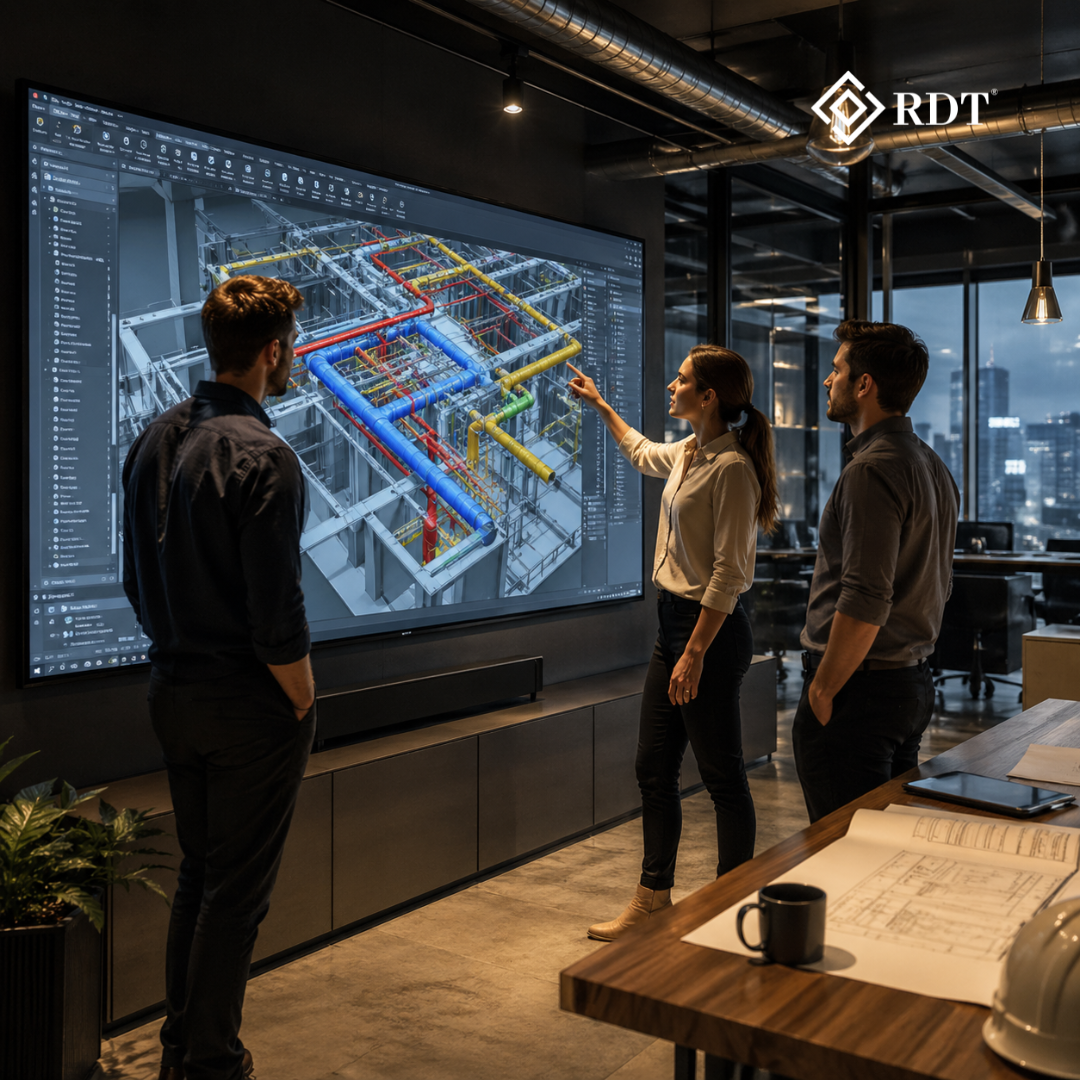
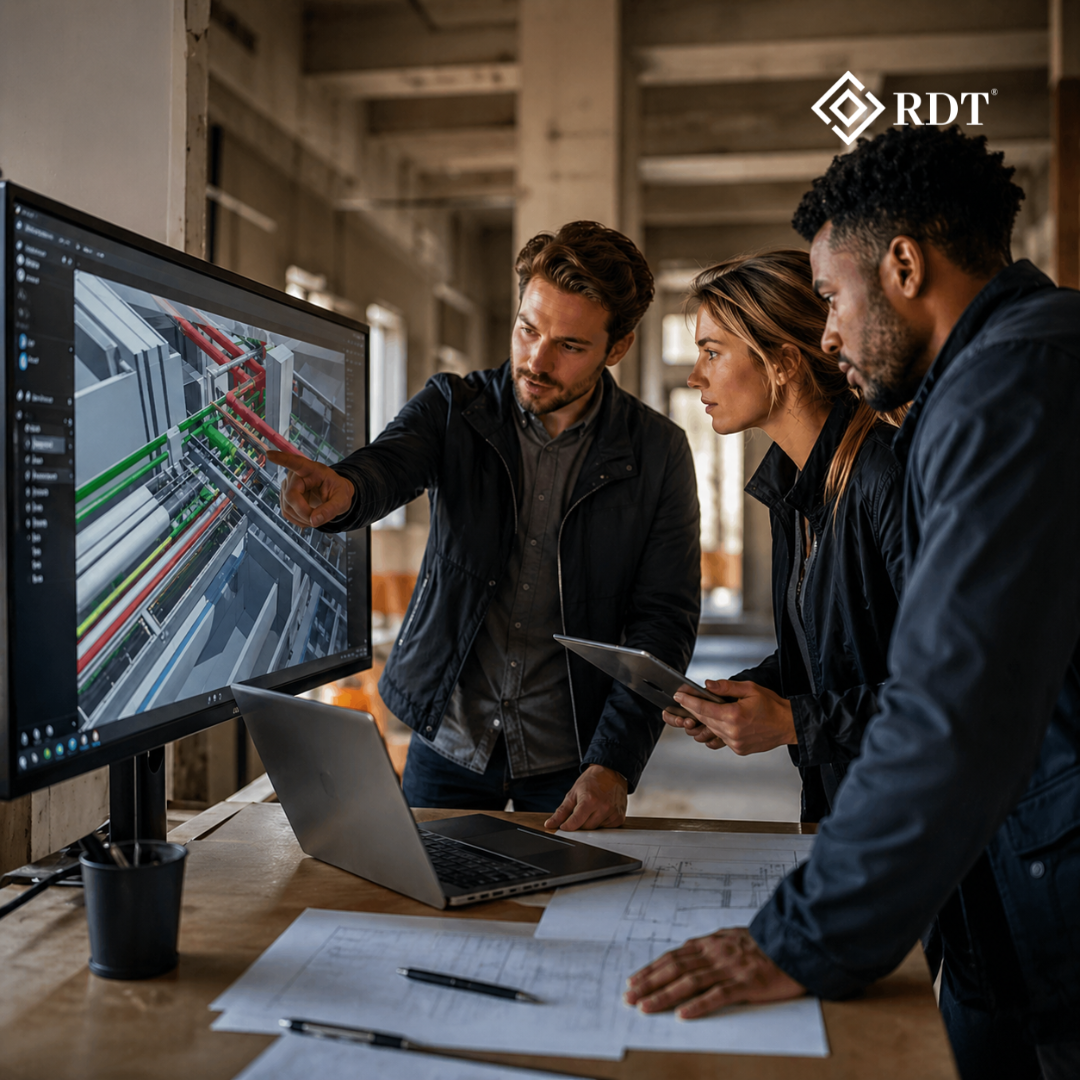
Clash detection tools identify conflicts between structural elements and building systems before construction begins. Collaborative platforms allow teams to share updates instantly, reducing miscommunication and delays.
This collaborative environment transforms BIM into a common language that aligns all disciplines around a single source of truth.
Visualization That Builds Trust
Clients often struggle to understand technical drawings and specifications. This communication gap can lead to misunderstandings, unrealistic expectations, and delayed approvals.
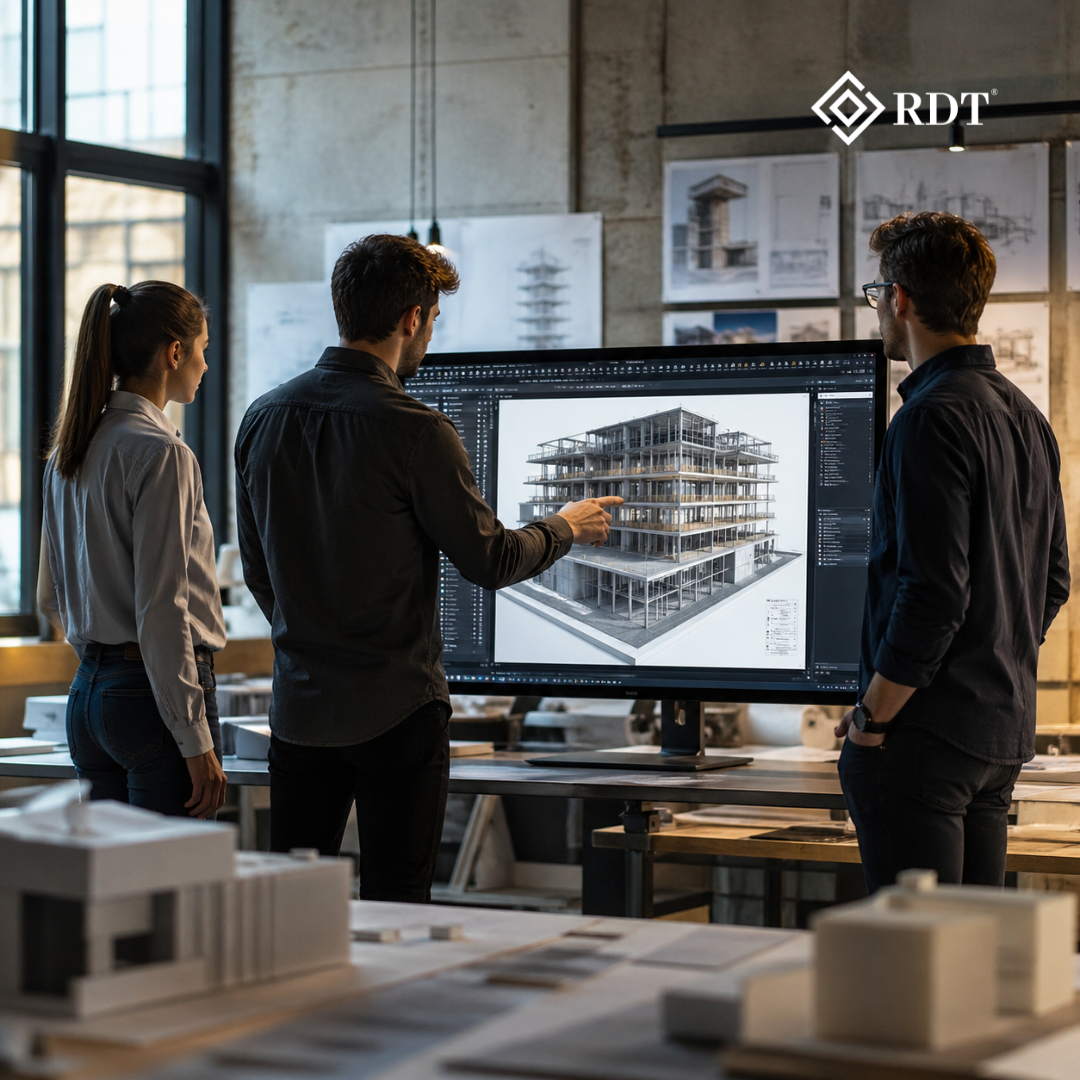
BIM provides immersive visualization through 3D models, walkthroughs, and virtual reality experiences. Clients can see the project before it is built, explore spaces, and understand design decisions.
This visual language builds trust. Clients feel confident in what they are approving, and project teams receive faster feedback. Visualization also helps stakeholders identify issues early, reducing changes during construction.
In the digital era, seeing is believing, and BIM is the medium that turns complex designs into clear visual narratives.
Streamlining Project Delivery
Construction projects are complex, with thousands of tasks, stakeholders, and variables. Managing this complexity requires precise planning and coordination.
BIM integrates design, scheduling, and cost data into a single model. This integration enables 4D and 5D BIM, where time and cost are linked to the model elements. Project teams can simulate construction sequences, optimize schedules, and control budgets more effectively.
This level of integration transforms BIM into a language of project delivery. It allows teams to communicate plans, identify risks, and align resources with unprecedented accuracy.
Supporting Sustainability and Performance Goals
Sustainability is a key priority in modern construction. Governments, clients, and communities demand energy efficient, environmentally responsible buildings.
BIM supports sustainability by enabling performance analysis and lifecycle assessment. Designers can evaluate energy consumption, daylighting, thermal performance, and material impacts during the design phase.
By providing a platform for performance-driven design, BIM becomes the language through which sustainability goals are defined, measured, and achieved.
Enabling Digital Twins and Smart Assets
The digital AEC era extends beyond construction into operations and asset management. Buildings and infrastructure are no longer static assets. They are smart systems that generate data throughout their lifecycle.
BIM models serve as the foundation for digital twins, which are dynamic representations of physical assets. Digital twins integrate real time sensor data, maintenance records, and operational metrics.
Facility managers use BIM and digital twins to monitor performance, plan maintenance, and optimize operations. This continuous flow of information turns BIM into a language that persists throughout the asset lifecycle.
Reducing Risk and Improving Quality
Construction is inherently risky. Design errors, coordination issues, and unforeseen site conditions can lead to delays, cost overruns, and disputes.
BIM reduces risk by enabling early detection of issues and proactive planning. Clash detection, constructability analysis, and simulation tools help teams identify problems before they occur on site.
Quality assurance processes can be integrated into BIM workflows, ensuring that design and construction meet standards and specifications. By providing a structured and transparent environment, BIM becomes a language of quality and risk management.
Driving Digital Transformation in AEC Organizations
Digital transformation is not just about technology. It is about changing how organizations work, collaborate, and deliver value. BIM plays a central role in this transformation.
Adopting BIM requires new workflows, skills, and cultural shifts. Organizations that embrace BIM become more agile, data driven, and collaborative. They can deliver projects faster, with higher quality and lower risk.
In this context, BIM is not just a tool. It is the language that defines how modern AEC organizations operate.
Bridging the Gap Between Design and Construction
One of the long standing challenges in construction is the disconnect between design and construction. Designers create drawings, and contractors interpret them, often leading to discrepancies.
BIM bridges this gap by providing a constructible digital model that integrates design intent with construction planning. Contractors can use the model for prefabrication, quantity takeoffs, and site logistics.
This alignment reduces misunderstandings and ensures that what is designed is what gets built. BIM becomes the language that connects design and construction seamlessly.
Empowering Owners and Stakeholders
Owners are increasingly demanding transparency, accountability, and performance from their projects. BIM provides owners with detailed insights into their assets.
From early design to operations, BIM delivers information that supports decision making, asset management, and long term planning. Owners can use BIM to understand costs, performance, and maintenance requirements.
By empowering owners with data and visualization, BIM becomes the language through which stakeholders engage with their projects.
The Future of BIM in the Digital AEC Era
The role of BIM will continue to expand as technologies such as artificial intelligence, machine learning, and automation become more integrated into AEC workflows. BIM models will serve as the foundation for predictive analytics, automated design, and intelligent construction.
Cloud platforms, collaborative environments, and real time data integration will further enhance BIM’s role as the central communication medium. As the industry moves toward fully digital delivery, BIM will remain the core language that connects people, processes, and technology.
Conclusion
BIM is not just a software platform or a modeling technique. It is a fundamental shift in how the construction industry communicates, collaborates, and delivers projects. In the digital AEC era, BIM serves as the universal language that unites stakeholders, enables data driven decisions, and transforms the lifecycle of built assets.
By embracing BIM, organizations can reduce risk, improve quality, enhance collaboration, and deliver smarter, more sustainable projects. As construction continues to evolve, those who speak the language of BIM will lead the industry into the future.
If you want to adopt Building information modeling as the core language of your construction projects and unlock true digital transformation, partner with RDT Technology. Our expert BIM modeling, coordination, and digital delivery services help you reduce errors, accelerate approvals, and deliver high performance projects with confidence.
Connect with RDT Technology today and start building smarter, faster, and more efficiently in the digital AEC era.