The Architecture Engineering and Construction industry is undergoing one of the most significant transformations in its history. For decades, project success was measured by timelines, budgets, and quality benchmarks achieved through traditional workflows. Today, technology adoption has become the defining factor that separates successful projects from struggling ones. Firms that embrace digital tools, automation, and data driven workflows consistently outperform those that rely on outdated methods.
In an era of complex projects, global collaboration, sustainability demands, and rising client expectations, technology is no longer optional. It is the backbone of modern AEC delivery.
The Changing Landscape of AEC Projects
Construction projects today are larger, more complex, and more integrated than ever before. Stakeholders expect faster delivery, higher accuracy, and real time transparency. Owners want digital assets that support facility management, contractors demand precise coordination, and designers must respond quickly to changes.
Traditional methods such as manual drafting, fragmented software, and siloed communication cannot keep pace with these demands. As a result, firms that fail to adopt technology face increased risk, inefficiency, and reduced competitiveness.
Building Information Modeling as a Core Foundation
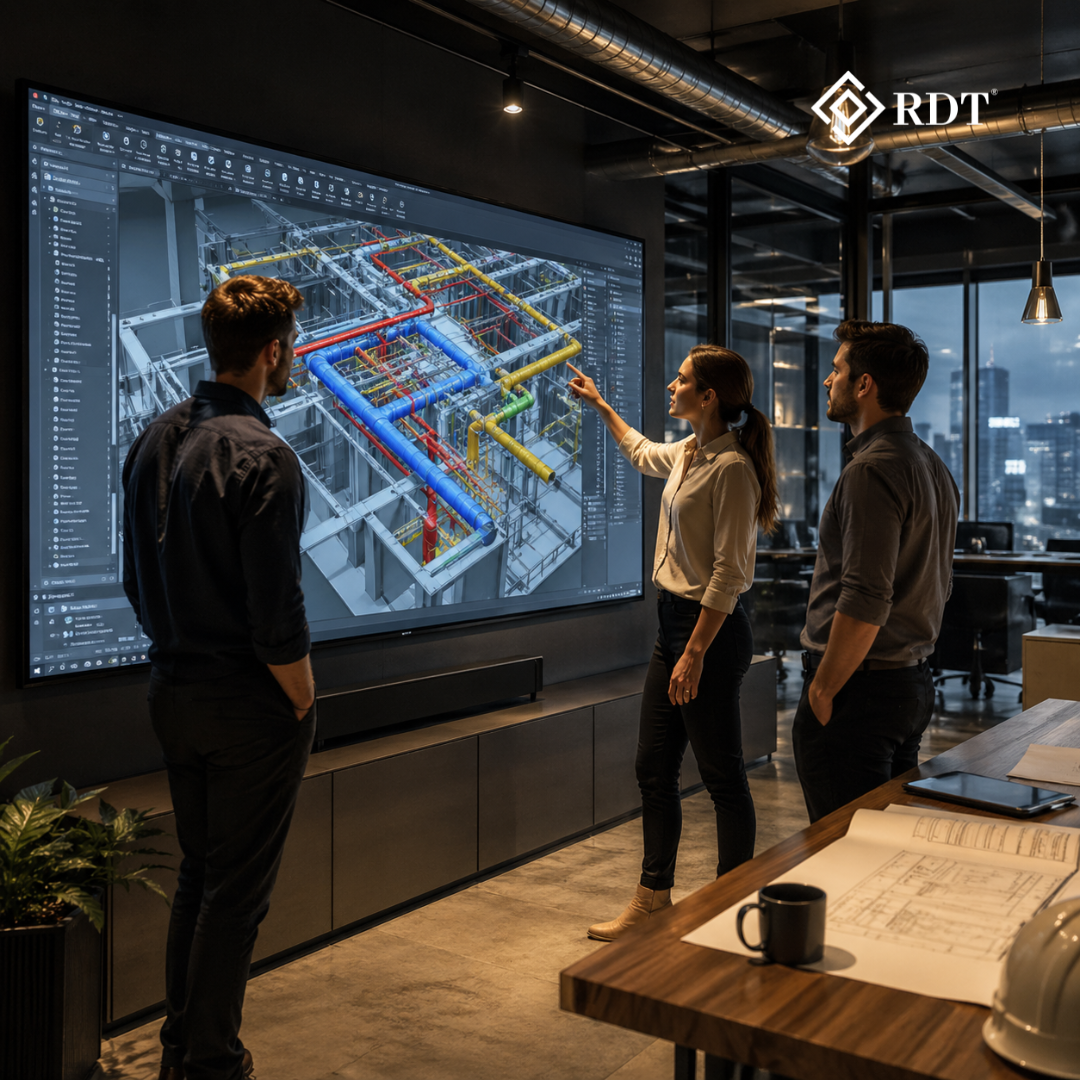
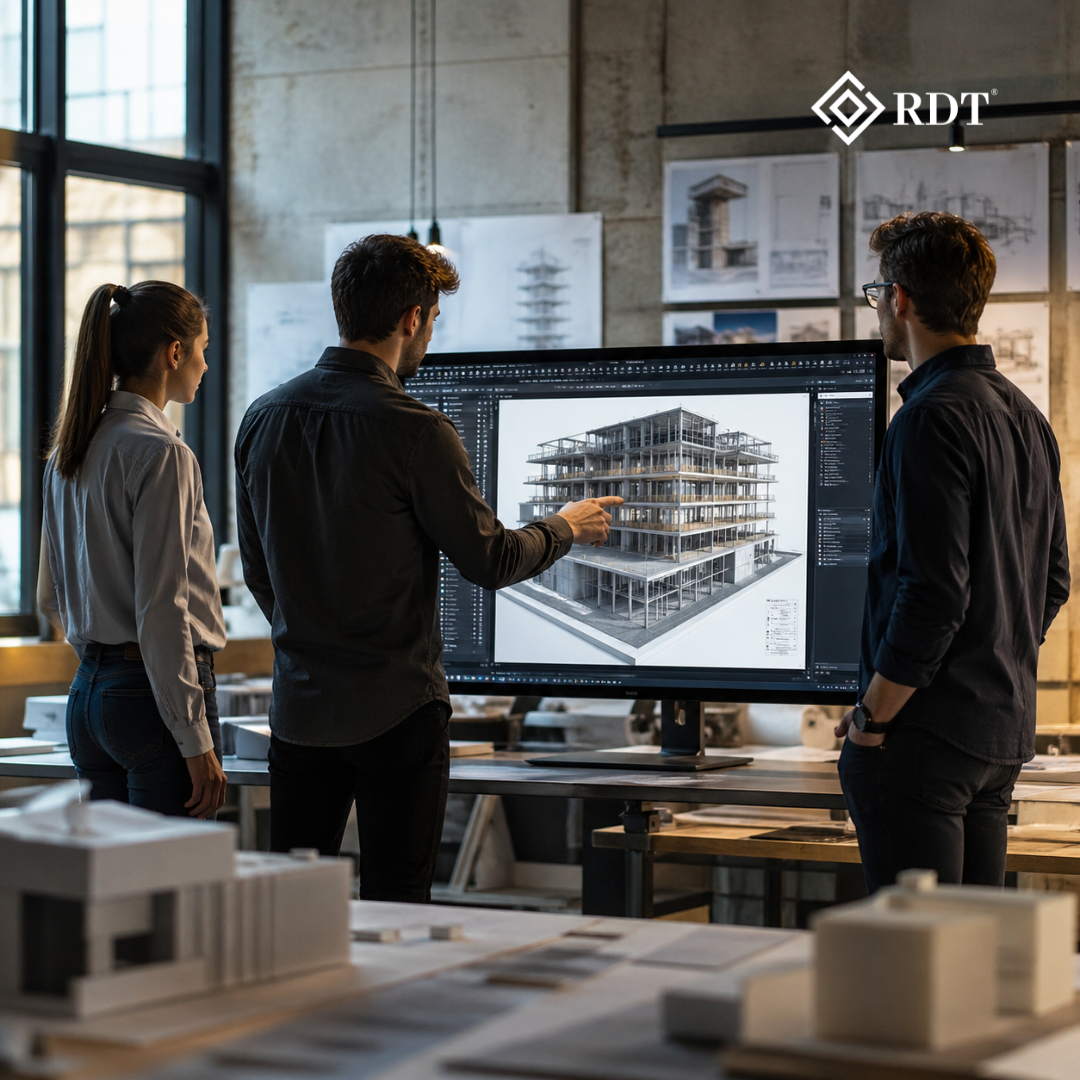
Building Information Modeling has emerged as one of the most transformative technologies in the AEC sector. BIM is not just a 3D modeling tool. It is a collaborative process that integrates geometry, data, and workflows into a shared digital environment.
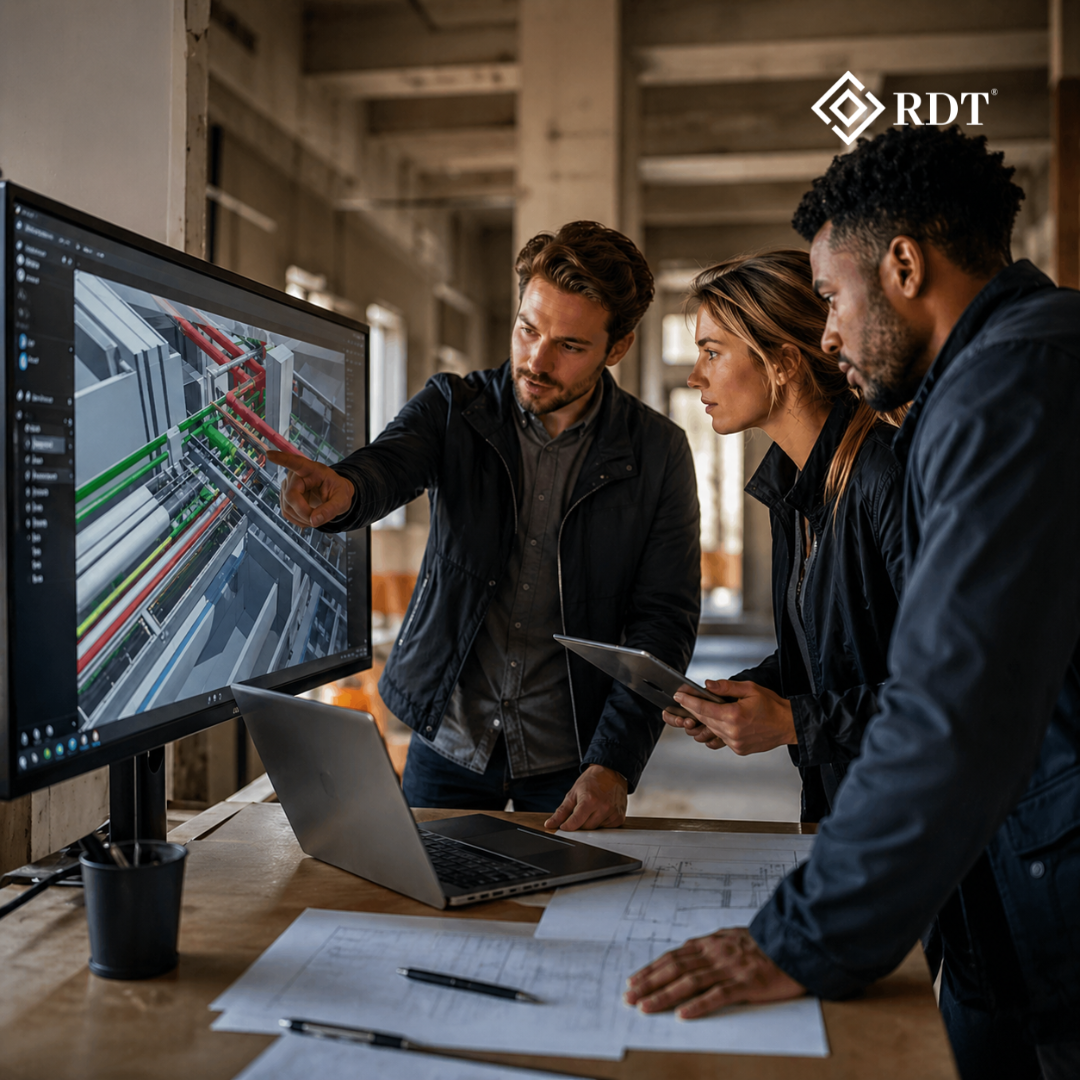
With BIM, teams can detect clashes before construction, coordinate multidisciplinary designs, generate accurate quantities, and simulate construction sequences. This reduces rework, minimizes disputes, and improves project predictability.
Organizations that have fully integrated BIM into their workflows consistently report improved productivity, better cost control, and enhanced client satisfaction.
Digital Twins and Lifecycle Asset Management
Beyond design and construction, technology adoption now extends into the operational phase of buildings and infrastructure. Digital twins create a virtual representation of physical assets, enabling facility managers to monitor performance, predict maintenance needs, and optimize operations.
Owners increasingly demand digital deliverables that extend beyond handover drawings. They want data rich models that support lifecycle management. Firms that can provide these services gain a competitive edge and create long term client relationships.
Cloud Collaboration and Remote Project Teams
The rise of cloud based platforms has fundamentally changed how AEC teams collaborate. Distributed teams can now work on shared models, documents, and dashboards in real time. Cloud environments reduce version conflicts, improve transparency, and support global project delivery.
Remote collaboration is no longer a temporary solution. It is a permanent shift in how projects are executed. Technology adoption enables firms to access global talent, reduce travel costs, and maintain productivity across time zones.
Automation and Artificial Intelligence in Design and Construction
Automation and artificial intelligence are reshaping design workflows and construction planning. Parametric modeling, generative design, and rule based checking tools allow teams to explore multiple design options rapidly while ensuring compliance with standards.
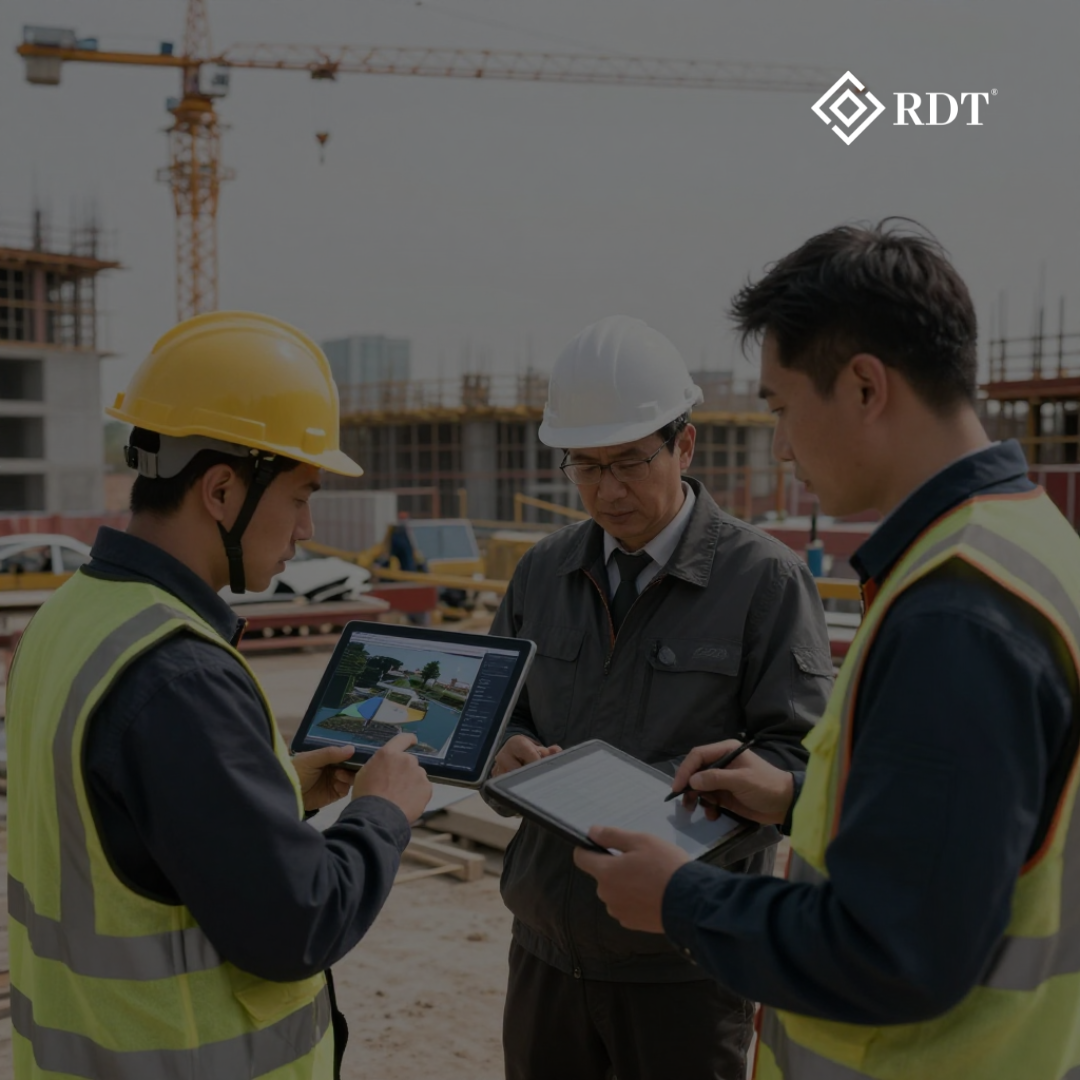
In construction, AI driven scheduling, predictive analytics, and robotics are improving safety and productivity. Automated quantity takeoffs and progress tracking reduce manual effort and improve accuracy.
Firms that leverage automation free their teams from repetitive tasks, allowing professionals to focus on creativity, problem solving, and strategic decision making.
Data Driven Decision Making
Modern AEC projects generate massive amounts of data. Technology platforms aggregate this data into dashboards and analytics tools that support informed decisions. Project managers can track progress, identify risks, and optimize resources using real time insights.
Data driven decision making reduces uncertainty and improves accountability. It also strengthens communication with clients and stakeholders, who increasingly expect transparency and measurable outcomes.
Enhancing Sustainability Through Technology
Sustainability is now a central requirement for many projects. Technology enables teams to evaluate energy performance, carbon impact, and material efficiency early in the design process.
Simulation tools help optimize building performance, reduce operational costs, and meet regulatory requirements. Digital workflows also reduce paper usage and support circular economy practices through material tracking and reuse strategies.
Technology adoption therefore plays a crucial role in achieving environmental and social responsibility goals.
Risk Management and Quality Assurance
One of the biggest challenges in construction is managing risk and ensuring quality. Digital tools provide advanced capabilities for risk assessment, issue tracking, and quality control.
Model based reviews, automated compliance checks, and digital inspection workflows reduce errors and ensure consistency. This leads to fewer claims, lower rework costs, and stronger project outcomes.
The Business Case for Technology Investment
Many firms hesitate to invest in technology due to perceived costs and disruption. However, the long term benefits far outweigh the initial investment. Increased efficiency, reduced errors, faster delivery, and improved client satisfaction translate directly into financial gains.
Technology also enables firms to expand services, enter new markets, and differentiate themselves from competitors. In a highly competitive industry, digital capability is a key factor in winning bids and building reputation.
Workforce Transformation and Skills Development
Technology adoption is not just about tools. It is about people. The modern AEC workforce must develop digital skills and embrace new ways of working. Continuous training, change management, and leadership support are essential for successful implementation.
Younger professionals expect digital workflows and collaborative environments. Firms that invest in technology also attract and retain top talent, ensuring long term growth and innovation.
Overcoming Barriers to Adoption
Despite its benefits, technology adoption faces challenges such as resistance to change, lack of expertise, and integration issues. Successful firms approach adoption strategically, starting with clear objectives, pilot projects, and stakeholder engagement.
Partnering with technology consultants and service providers can accelerate implementation and reduce risk. A phased approach allows teams to adapt gradually while demonstrating value at each stage.
The Future of AEC is Digital
The AEC industry is at a turning point. Projects are becoming smarter, more connected, and more data driven. Clients expect digital delivery, regulatory frameworks are evolving, and competition is global.
Technology adoption is no longer a trend. It is the defining factor that determines project success. Firms that embrace digital transformation will lead the industry, while those that resist change will struggle to survive.
Conclusion
Technology has fundamentally changed how AEC projects are designed, delivered, and operated. From BIM and digital twins to cloud collaboration and AI, digital tools enable greater efficiency, accuracy, and value creation.
Project success today is defined not only by completing on time and within budget but also by delivering intelligent, data rich assets that support the entire lifecycle. Organizations that prioritize technology adoption position themselves for sustainable growth, improved performance, and long term industry leadership.
In the modern AEC landscape, technology is not just an enabler. It is the core driver of project success.