
Cost management has always been one of the most delicate obligations in construction projects. Each design decision contains financial weight, either it is associated with layout preparation, system choice, or construction sequencing. When budgets begin to strain, many teams turn to late stage value engineering as a solution. While value engineering can reduce certain costs, it is often applied when flexibility is already limited and financial commitments are already made. In contrast, BIM coordination supported by accurate BIM Modeling consistently delivers greater savings by preventing costly issues before they reach the site.
The focus variance lies in timing & intent. Value engineering reacts to problems after they surface. BIM coordination anticipates those problems during design. One tries to recover value. The other protects it from the start.
As projects grow in scale and complexity, the industry can no longer depend on corrective strategies alone. Proactive coordination through BIM is becoming the most reliable method for maintaining budgets without compromising performance or quality.
Where Project Costs Are Truly Decided
Most project costs are determined long before construction begins. Decisions made during early design stages define spatial relationships, system layouts, material quantities, and construction feasibility. Once drawings are issued for construction and procurement begins, opportunities for meaningful cost optimization decrease rapidly.
Late stage value engineering often occurs after design development or even during construction documentation. By that point, consultants have completed their scope, contractors have priced the work, and schedules have been aligned with approved drawings. Any change introduced at this stage causes disruption. Redesign fees increase. Review cycles lengthen. Construction timelines are affected.
BIM Modeling enables teams to evaluate these decisions earlier. Through coordinated models, potential conflicts and inefficiencies are identified while change is still inexpensive. This early influence over cost is where BIM coordination consistently outperforms late value engineering.
Eliminating Rework Before It Reaches the Site
Rework remains one of the largest sources of avoidable cost in construction. It consumes labor, materials, and time while creating frustration across teams. Traditional workflows often identify conflicts only during installation, when correction is most expensive.
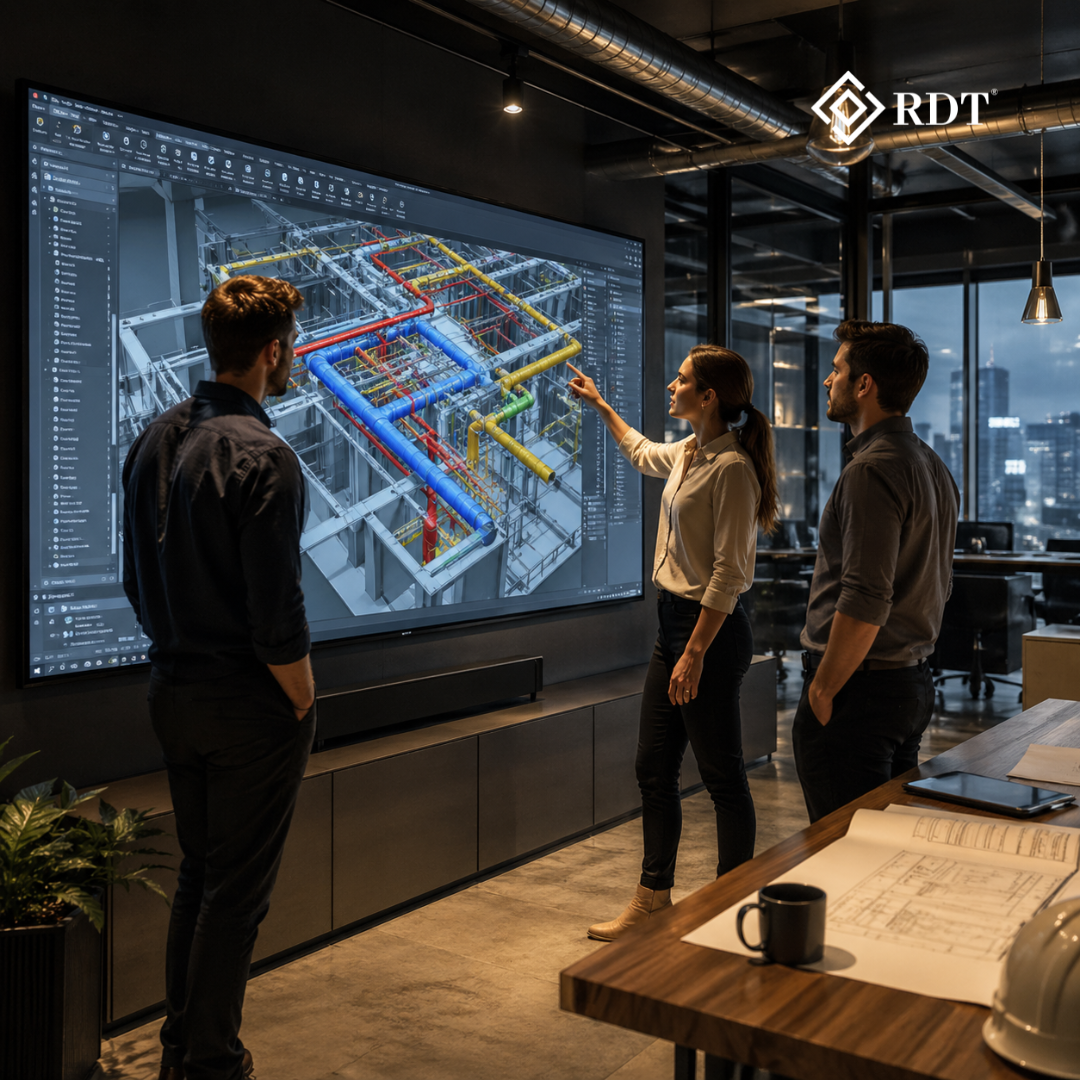
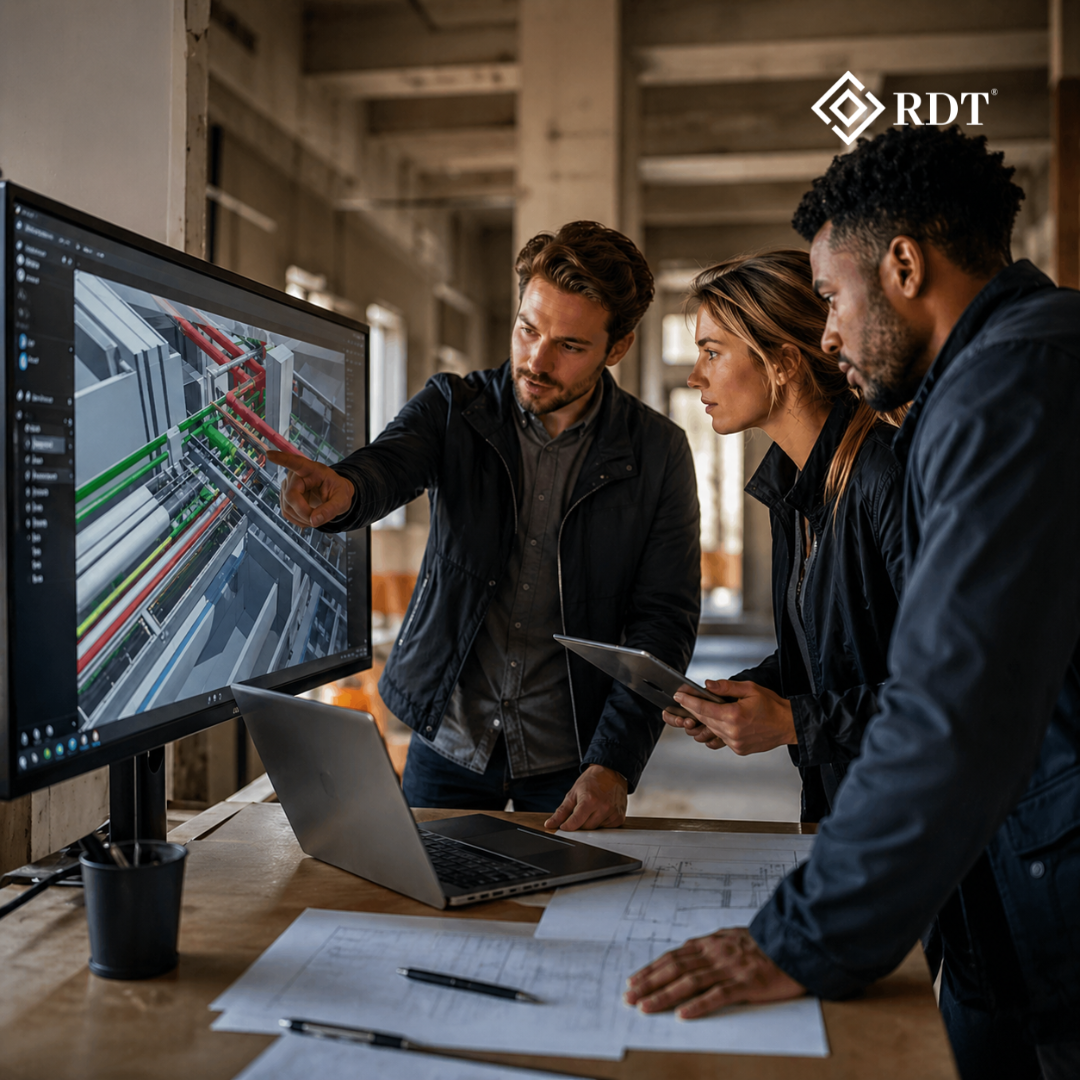
BIM coordination brings all disciplines into a shared digital environment. Architectural, structural, and MEP models are developed together rather than in isolation. Conflicts between beams and ducts, slabs and piping, ceilings and cable trays are resolved digitally.
Each resolved clash represents labor hours saved, materials not wasted, and schedules not disrupted. Value engineering may reduce system costs, but it does not eliminate rework that stems from coordination failures. BIM Modeling prevents those failures from occurring in the first place.
Schedule Reliability Is Financial Stability
Delays affect far more than timelines. Extended schedules increase site overheads, supervision costs, equipment rentals, and financing expenses. Late stage value engineering often introduces schedule risk because changes require redesign, re approvals, and re sequencing of work.
BIM coordination strengthens schedule reliability. Coordinated models clarify installation order, access requirements, and space availability. Trade partners can plan work with confidence. Sequencing conflicts are resolved digitally rather than on site.
When schedules stabilize, costs stabilize with them. The savings achieved through avoided delays often exceed any material cost reductions achieved through value engineering.
Better Procurement Starts With Clear Models
Procurement accuracy depends heavily on design clarity. When drawings lack coordination, contractors include contingencies to protect against unknowns. Suppliers price conservatively when scope boundaries are unclear.
BIM Modeling improves procurement by providing precise quantities and clearly defined scope. Coordinated models reduce ambiguity. Contractors bid with greater confidence and fewer assumptions. Risk premiums embedded in pricing are reduced.
Value engineering attempts to reduce costs after pricing has already accounted for uncertainty. BIM coordination reduces uncertainty before pricing ever begins. This difference has a direct and measurable financial impact.
Preserving Design Intent While Controlling Costs
Late stage value engineering often compromises design intent. Materials are downgraded. Systems are simplified. Performance margins shrink. While immediate costs may decrease, long term operational efficiency often suffers.
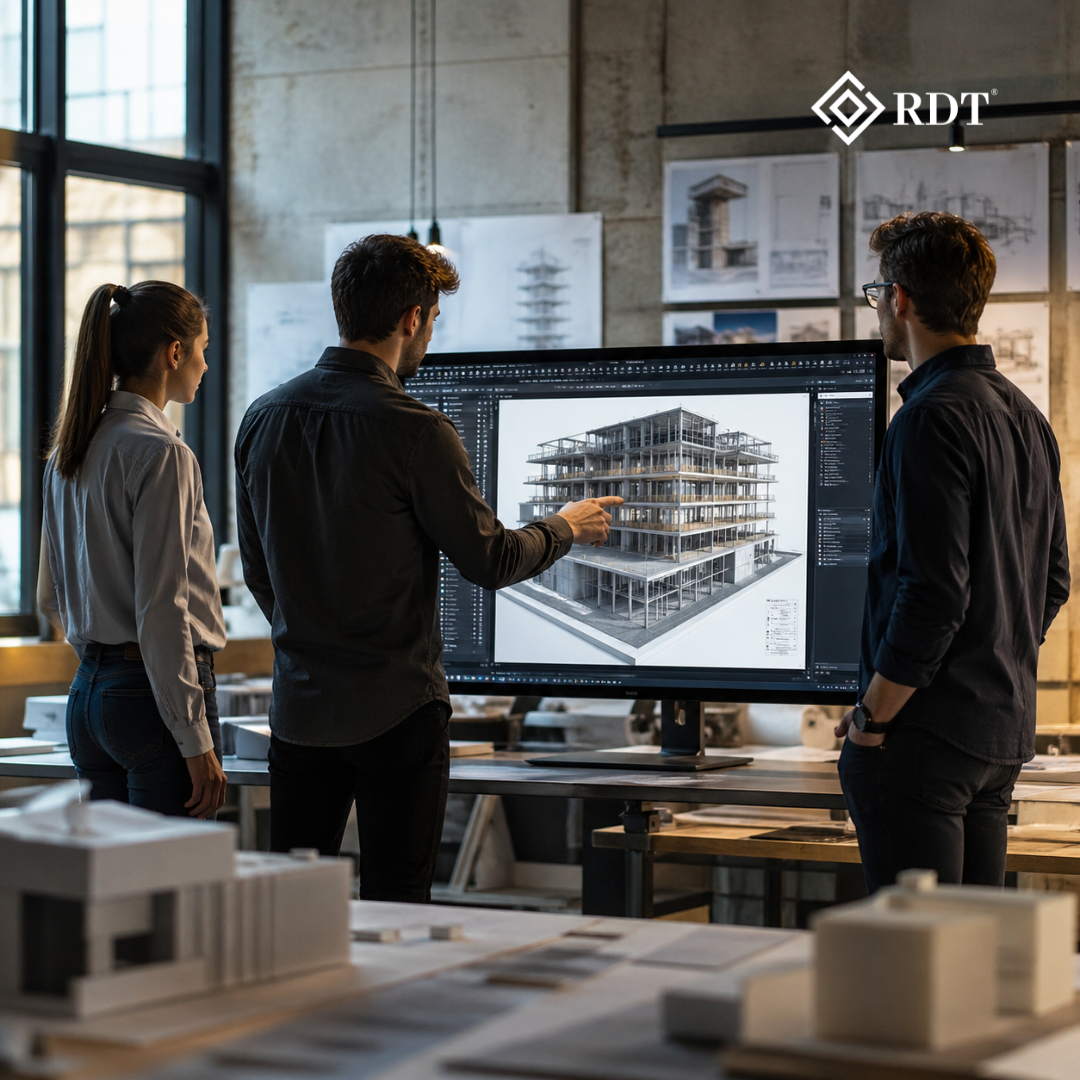
BIM for Architectural Design allows architects to maintain spatial quality while coordinating efficiently with engineering systems. Design intent is not sacrificed for constructability. Instead, constructability is achieved through informed design decisions.
This balance protects long term asset value. Owners benefit from buildings that perform as intended without hidden compromises introduced late in the process.
Coordination Strengthens Collaboration Across Teams
Cost overruns frequently stem from misalignment between disciplines. Architects design spaces without full visibility of service requirements. Engineers route systems without complete spatial context. Contractors interpret drawings differently under pressure.
BIM coordination establishes a shared point of reference. Everyone works from the same coordinated model. Issues are discussed collaboratively rather than discovered individually. Decisions are visual, documented, and traceable.
Value engineering cannot repair broken collaboration. BIM Modeling improves it by design.
Reducing Change Orders at Their Source
Change orders are expensive beyond their direct cost. They require negotiation, documentation, approvals, and often disrupt work already in progress. Many change orders originate from coordination gaps or incomplete information.
BIM coordination addresses these causes early. When scopes are coordinated and conflicts resolved digitally, fewer changes are required during construction.
Value engineering may reduce some costs but it does not address why changes occurred. BIM coordination prevents them altogether.
Allowing Prefabrication & Effective Construction
Prefabrication delivers significant savings through reduced labor, improved quality, and faster installation. However, prefabrication requires precise coordination.
BIM Modeling supports detailed shop level coordination that enables off site fabrication. Assemblies are built accurately before arriving on site. Installation becomes predictable and efficient.
Late stage value engineering rarely enables prefabrication. In many cases, it reduces system complexity in ways that limit prefabrication potential. BIM coordination actively creates opportunities for industrialized construction.
The Real Return on Early Investment
Some teams hesitate to invest in BIM coordination due to perceived upfront costs. However, this investment represents a small percentage of total project value. The return is substantial.
Avoiding a single major clash or delay can justify the entire coordination effort. Avoiding dozens of minor issues compounds those savings further.
Late stage value engineering recovers only a portion of costs already lost. BIM coordination preserves value before it is lost.
Shifting From Cost Cutting to Cost Control
Value engineering focuses on reducing scope to meet budget targets. BIM coordination focuses on controlling costs through informed decisions.
Cost cutting removes elements. Cost control ensures efficiency. BIM for Architectural Design authorizes squads to make wiser design options that equalize performance, constructability, & budget.
Projects that depend severely on value engineering commonly uncover coordination gaps earlier in the procedure. Projects that prioritize BIM coordination experience fewer financial surprises.
Why Owners Benefit the Most
Owners ultimately absorb the impact of late changes. They fund redesign efforts, carry delay costs, and operate buildings affected by late compromises.
BIM Modeling provides owners with transparency and confidence. Risks are identified early. Decisions are visual and data driven. Asset performance is protected.
The savings achieved through coordination are real, measurable, and sustained beyond construction.
A Smarter Approach to Project Economics
In a demanding industry environment, relying on corrective measures is no longer sufficient. The greatest financial advantage comes from avoiding problems rather than reacting to them.
BIM coordination supported by robust BIM Modeling and BIM for Architectural Design offers that advantage. It aligns teams early, reveals risk before it becomes cost, protects schedules, and preserves design value.
Late stage value engineering will always have a role as a corrective tool. But it should never replace early coordination as the primary cost control strategy.
Projects that invest in BIM coordination do not chase savings at the end. They build them into the project from the very starting.
Join hands with RDT Technology to leverage BIM Modeling & BIM for Architectural Design for wiser, cost-efficient project delivery.