Introduction: Where Things Usually Start Going Wrong
On most projects, nothing feels risky at the beginning. Drawings circulate, comments are minimal, and approvals move forward without much resistance. Someone mentions a coordination concern, but it’s brushed aside because similar projects never had an issue. At that point, the building exists only on paper, so confidence comes easily.
What follows later is rarely a surprise to anyone who has worked on site. A service does not fit the space it was given. Access becomes a problem that no one planned for. Sequences overlap in ways the schedule never showed. None of these issues appear suddenly. They were present from the start, hidden inside early assumptions that were never tested.
This is where BIM changes the conversation. BIM does not prevent mistakes, but it exposes uncertainty early, before it becomes expensive.
Why Assumptions Slip Through the Cracks
Construction documentation has always relied heavily on drawings. Plans and sections explain intent, but they leave a lot unsaid. People reviewing them tend to rely on experience to fill the gaps. If a layout looks familiar, it is assumed to be workable. If a clearance seems close but acceptable, it is rarely questioned.
That approach worked when buildings were simpler. Today, spaces are tighter and systems are layered aggressively. Structural depths increase. Services multiply. Tolerances shrink. When assumptions pass unchecked through design reviews, they quietly become part of procurement and site planning. By the time someone questions them, concrete is already poured.
BIM Is Not About Visuals, It’s About Exposure
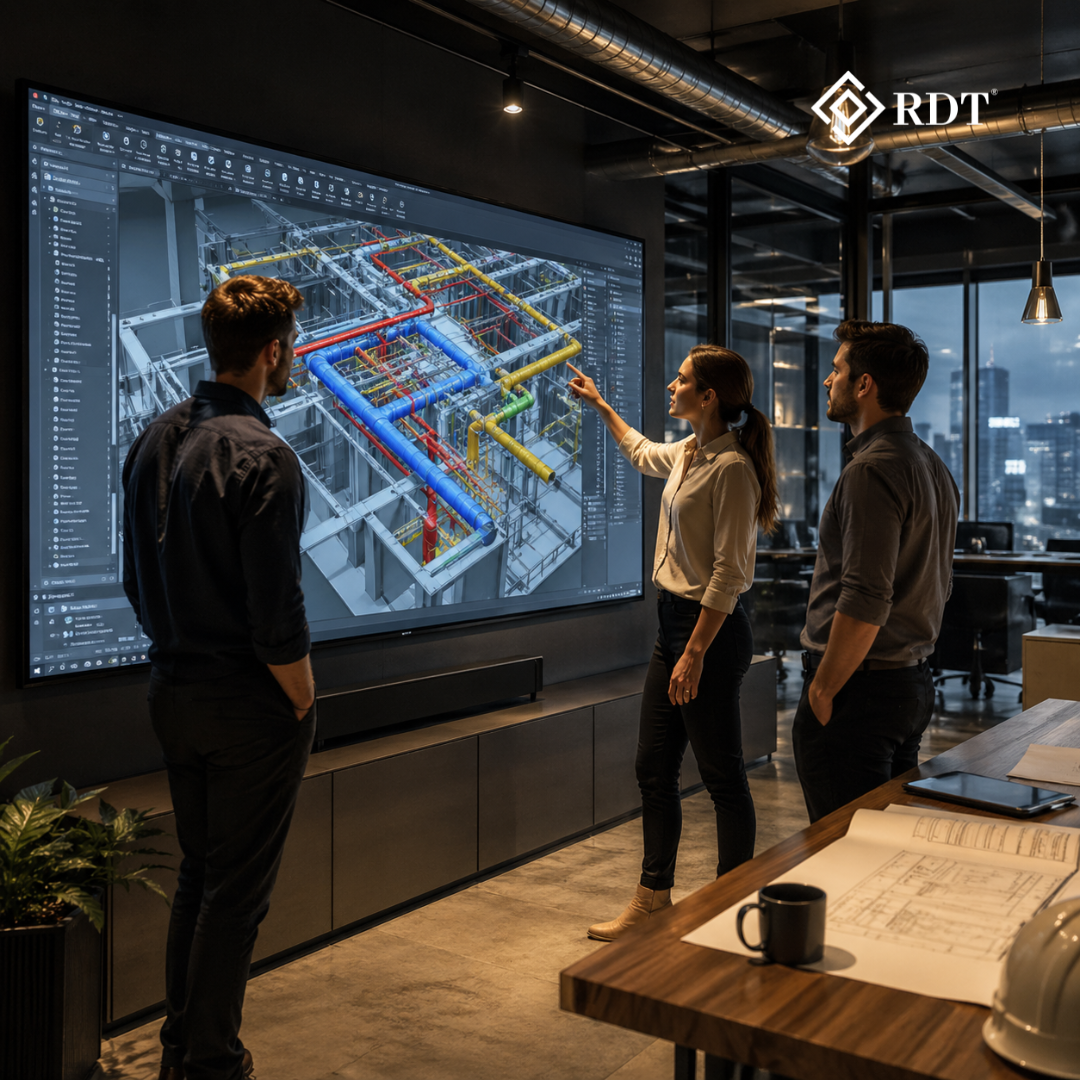
BIM is often introduced as a visualization tool, but its real impact is more uncomfortable than that. A coordinated model removes the comfort of ambiguity. Systems are forced to exist together in real dimensions. If something overlaps, it is visible. If access disappears, it becomes obvious.
The model does not argue. It does not adapt to intention. It simply shows what happens when decisions are placed into shared space. This exposure is valuable because it forces teams to deal with reality while change is still manageable.
Approval Means Something Different in a Modeled Environment
In many projects, approval is based on whether drawings look complete. A clean set can still hide unresolved coordination issues. BIM changes this by shifting focus from appearance to outcome.
When teams review a coordinated model, the discussion becomes more grounded. Instead of general confidence, there are specific questions. Can this be installed? Can it be maintained? Can trades work here at the same time? Approval stops being a gesture of trust and becomes an informed decision.
Constructability Stops Being a Late Discovery
One of the most usual disappointments in construction is finding too late that something is hard to construct. Design intent may be sound, but installation tells a different story. When constructability is considered only after drawings are issued, the site becomes the testing ground.
BIM brings those questions forward. Clearances, access paths, and support conditions are visible during coordination. If something cannot be built as designed, it is seen early. This allows adjustments without compromising quality or schedule.
Clashes Are Not Problems, They Are Warnings
In a coordinated model, clashes tend to get treated as errors to be eliminated. In reality, each clash highlights an unresolved decision. Two systems competing for space means priorities were never defined.
Resolving these conflicts in a model is far easier than resolving them on site. Teams can think through the implications without pressure. Once a decision is made, it becomes part of the agreed solution instead of an improvised fix.
Cost Planning Based on What Actually Exists
Many cost overruns begin with quantities that were never fully verified. Drawings require interpretation, and interpretation introduces variation. BIM improves this by tying quantities to modeled elements.
This does not eliminate judgment, but it reduces guesswork. When scope is visible and measurable, cost discussions become more realistic. Changes are evaluated with clearer understanding instead of assumptions about impact.
Time Planning That Reflects Real Conditions
Schedules often assume ideal conditions. Durations are assigned because they are familiar, not because they have been tested against space and sequence. BIM allows teams to visualize how construction unfolds over time.
When sequencing is reviewed alongside the model, constraints become obvious. Access conflicts, congestion, and staging challenges appear early. Adjusting the plan at this stage prevents much larger problems later.
One Reference Instead of Many Interpretations
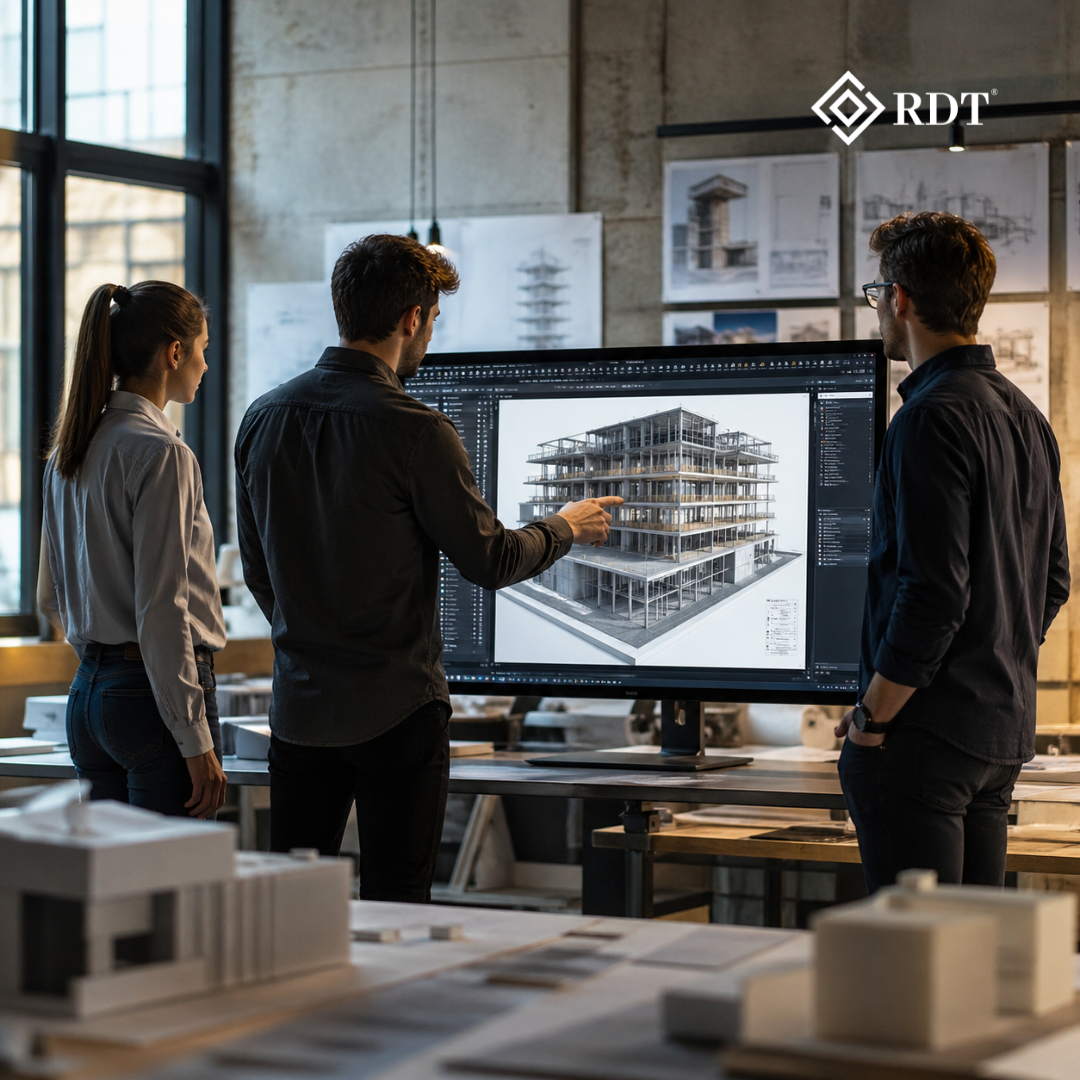
A frequent source of dispute is differing interpretations of the same drawing. BIM reduces this by creating a single reference that everyone can see and understand.
When decisions are made in a shared model, misunderstandings decrease. Discussions are located on what is visible, not what is presumed. This enhances coordination and diminishes friction among teams.
Carrying Decisions Through to the Site
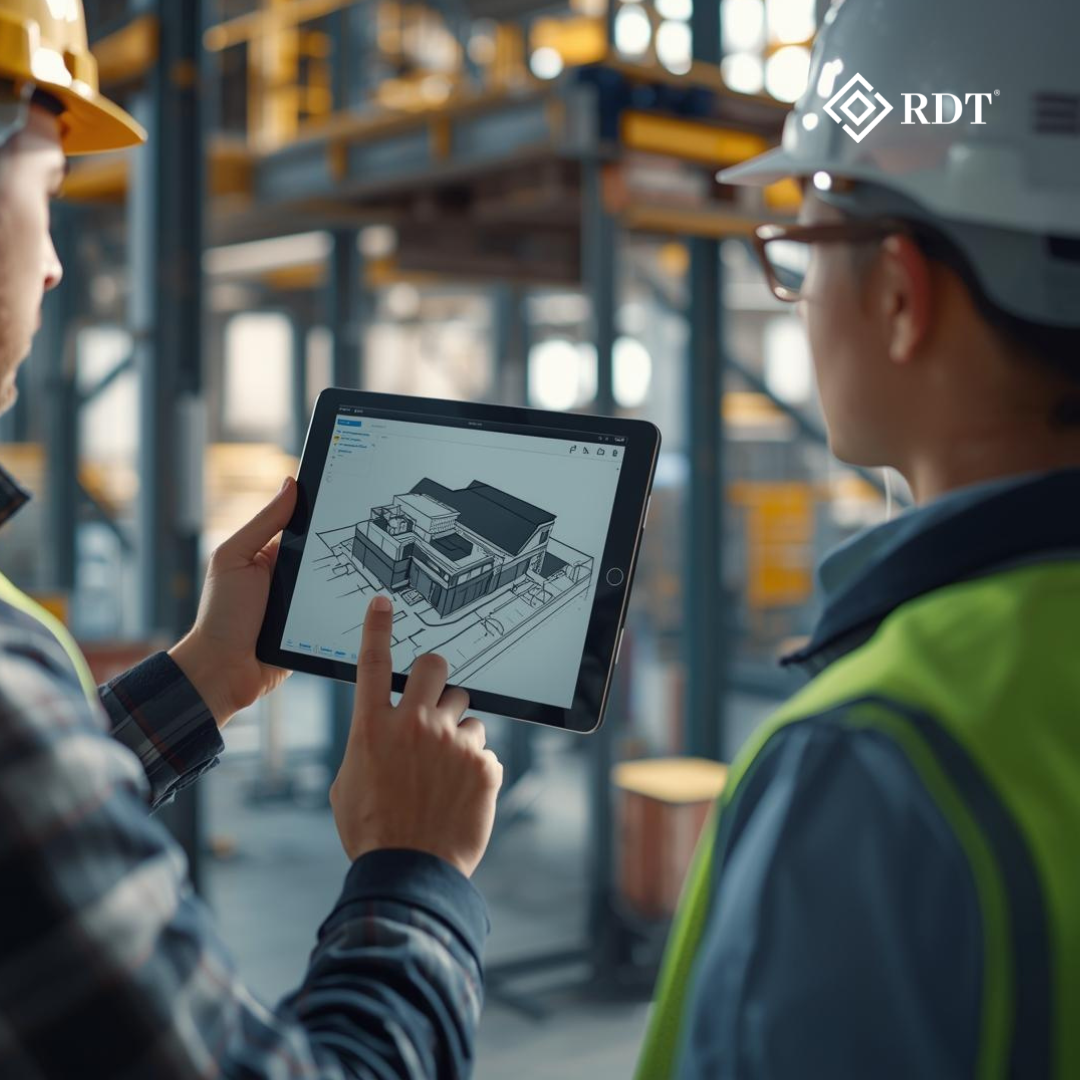
The benefit of BIM increases when it does not stop at coordination. Field teams who understand the model walk onto site better prepared. Installations proceed with fewer surprises because many issues were already resolved.
This continuity matters. Decisions are not revisited repeatedly. Work flows more smoothly because uncertainty was addressed earlier.
Information That Remains Useful After Handover
Projects built through verified decisions leave behind better records. The final model reflects what was actually constructed, not what was originally intended. This matters long after construction ends.
When future changes are required, teams start with accurate information. Time is saved, and risk is reduced because fewer assumptions are needed.
Sum Up: BIM as a Way of Thinking
Construction will always involve unknowns. But many of the risks accepted on projects are avoidable. BIM helps teams identify uncertainty early and deal with it deliberately.
When assumptions are tested instead of trusted, decisions improve. Coordination becomes clearer. Outcomes become more predictable. BIM is not just software. It is a more disciplined way of deciding how buildings are actually built.
At RDT Technology, BIM is applied with this mindset—helping project teams replace uncertainty with verified, build-ready decisions before construction begins.